
Your event ended at nine. The content should still be working in March.
You spent four months on it. The room looked right, the food was better than it had to be, and people stayed an hour past the end. Somebody shot video.
Seven weeks later there is a three-minute recap on YouTube with two hundred and forty views, and that is the entire return on the largest single line item in your marketing budget.
The event was not the problem. What you planned to do with it was.
Most events are a party with a video at the end.
Everybody has been to one. Good room, nice night, warm feeling in the parking lot afterward. Then Monday comes and the only thing left is an invoice and a folder of photos nobody opens.
Ask the people who came what the event was about and you get a shrug and something kind. Ask what it led to and you get quiet.
You did not buy a night. You bought a year of material and then threw most of it away.
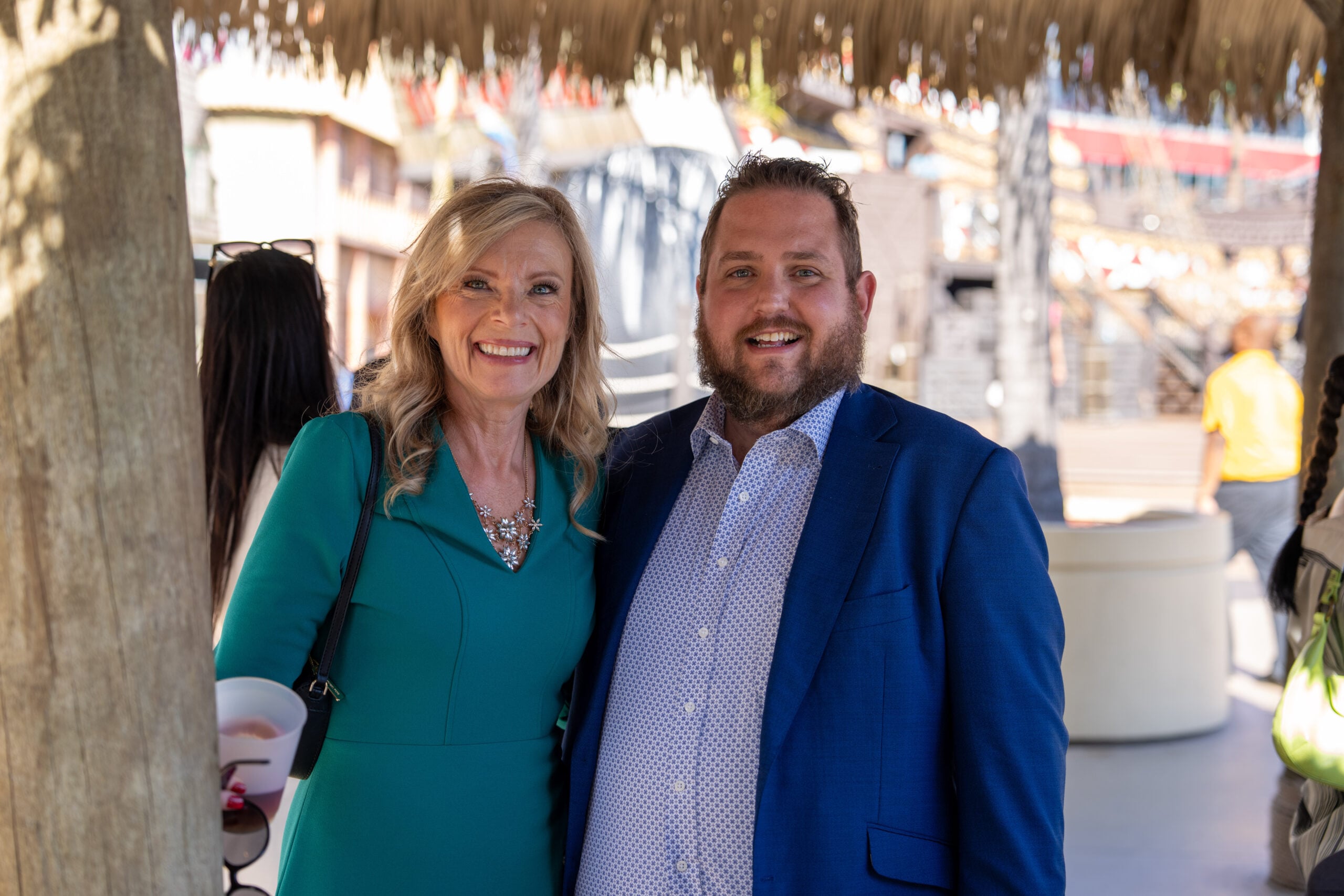
The Building Success Summit
One thousand people at Raymond James Stadium. Nonprofits and business owners in the same room, put there on purpose for education, partnerships and introductions that were going to be worth something.
That is not an audience. That is a year of relationships started in one afternoon. We run it ourselves, which is the only reason we get to be this opinionated about it. We do not design rooms we would not sit in.
Why the night works and the year does not
The run of show is built for the room, not for the footage.
Everything is timed so the evening flows, which is correct, and it means the best ninety seconds of the night happen while the crew is moving between positions and the lighting is set for dinner. You cannot fix that in the edit.
Nobody decided what any of it was going to become.
Video gets shot because you are supposed to shoot video. There is no list of the eighteen pieces you want in hand by the end of the night, so you get coverage instead of content, and coverage is what a recap is made of.
Networking was left to chance.
Two hundred people in a room does not create a single introduction on its own. It creates clusters of people who already knew each other. If nothing in the design makes it easy to talk to the stranger holding the same drink, nothing happens, and everyone still says they had a nice time.
How we run one
- We design the room for business development.Who needs to meet whom, and what has to be true for that to happen without anybody being brave. Seating, sequencing, the reason to turn to the person beside you, and the thing on the table that gives you something to say.
- We write the content plan before the invitations go out.What gets captured, from where, with whom, and what each piece is going to become in month four. It is a shot list built backwards from what you need in the spring.
- We take a quiet room off the main floor.That is where the interviews happen, while people are still warm from the thing they just watched. Those answers are the material. You cannot recreate that energy on a Tuesday in a conference room, and plenty of people have tried.
- We feed it out on a calendar.Weekly, for months, so the people who did not come keep finding out they missed something. That is also how the next one sells out, which is the part nobody plans for and everybody wants.
We are not here for the one event. A recap video is a deliverable. What you are buying is twelve months of proof that the room was worth being in.
What you get, besides a good night
- Introductions that turn into pipeline, because the room was built to make them happen instead of hoping they would.
- Months of content from one production budget, which is usually the difference between an event that costs money and one that pays for the next.
- A reason for the people who did not come to want in next time, before you have to ask them.
- Clients and partners who saw themselves treated well in public, which is worth more than the same message sent to them privately.
Strategy is the product. These are the instruments.
Most clients start with one of these and end up using two or three, because the pieces are built to reinforce each other rather than run separately.
What is your next event supposed to be worth twelve months from now?
We will ask what you want to be known for, who you want to be known by, and what has to be true five years from now. If we are not the right firm for that, we will tell you.
A media strategy and corporate storytelling firm in Tampa, Florida.
- (813) 568-9817
- 412 E Madison St., Suite 1209
Tampa, FL 33602 - Book a discovery call